


Selective Neurolysis
Dr. Berke Özücer is a leading figure in his field, offering world-class results in the treatment of synkinesis and involuntary muscle contractions that develop after facial paralysis. Through his application of the Selective Neurolysis technique, he aims to control excessive involuntary muscle contractions in the facial muscles and provide his patients with a natural, symmetrical, and balanced facial appearance. Thanks to the innovative and modern microsurgical techniques he uses, involuntary movements caused by incorrect nerve healing are corrected with minimal tissue damage. This preserves the natural expressions of the face while successfully eliminating inconsistencies and asymmetries in facial expressions. After treatment, patients achieve a much more relaxed, balanced, and dynamic facial appearance.
What is Selective Neurolysis Surgery?
The neurectomy procedure, also known as selective neurectomy surgery, is a surgical procedure used to reduce or eliminate unwanted facial contractions in patients with partial or permanent facial paralysis. The excessive contractions that occur in this method are realized by precisely stimulating certain points of the nerves that control the facial muscles. In this way, patients' facial expressions become more natural and symmetrical and pain is alleviated. This procedure is mostly performed on patients diagnosed with mild or moderate facial paralysis.
What is Selective Neurectomy Surgery?
Although it is often confused with Selective Neurolysis surgery, they are different surgeries that serve the same purpose. This is a procedure that is generally performed when the nerve is damaged or abnormally stimulated. In this procedure, the diseased nerve is completely or partially removed and the problems that the patient is currently experiencing are eliminated. In this way, the person can get rid of the pain and spasms in the facial area within seconds. This surgical procedure is usually applied to patients who have been diagnosed with severe facial paralysis as a result of the examinations.
Understanding Selective Neurolysis Surgery
Selective Neurolysis is a sophisticated microsurgical procedure designed to address unwanted facial contractions and synkinesis in patients who have experienced partial or complete facial paralysis. This technique involves precisely identifying and deactivating specific nerve branches that contribute to excessive muscle activity, allowing for a more natural and symmetrical facial expression. Unlike more aggressive interventions, Selective Neurolysis aims to preserve essential nerve function while alleviating the problematic contractions, making it particularly suitable for patients diagnosed with mild to moderate facial paralysis.
Selective Neurectomy: A Distinct Approach for Severe Cases
While often confused with Selective Neurolysis, Selective Neurectomy is a distinct surgical procedure, typically reserved for more severe cases of facial paralysis where specific nerve branches are irreversibly damaged or causing debilitating spasms. In this procedure, the identified problematic nerve segment is either partially or completely removed (resected) to alleviate intense pain, spasms, and unwanted contractions. This targeted approach aims to provide immediate relief and restore greater control over facial movements, especially for patients with severe facial nerve trauma or persistent, painful synkinesis.
How is Selective Neurectomy Surgery Performed?
The Selective Neurectomy procedure begins with a detailed, high-resolution analysis of the patient's facial nerve anatomy and muscle activity. Utilizing advanced intraoperative monitoring and microsurgical techniques, the surgeon meticulously identifies the specific nerve branches responsible for the unwanted contractions or pain. Once identified, the diseased or overactive nerve segment is precisely resected. The goal is to achieve maximal functional improvement while minimizing collateral damage to surrounding healthy tissues. Post-operatively, patients receive comprehensive wound care guidance to ensure optimal healing and minimal scarring.
Why is Selective Neurolysis Effective for Synkinesis?
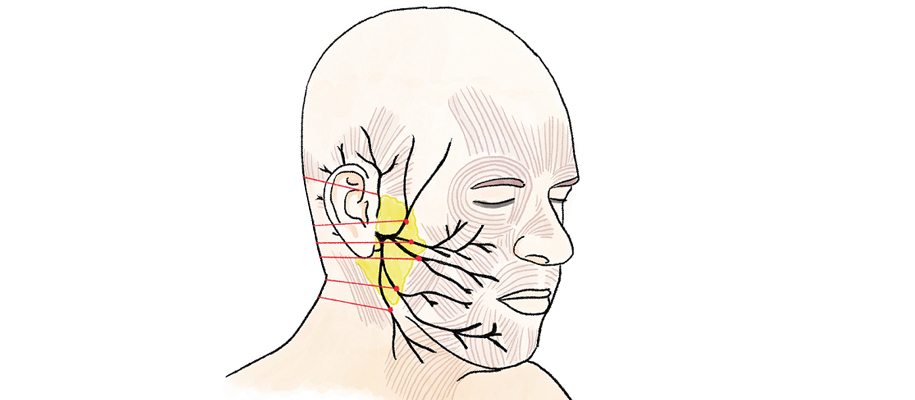
Synkinesis, a common complication after facial paralysis, arises when regenerating facial nerves make incorrect connections, leading to involuntary and often disruptive muscle movements. Selective Neurolysis targets these misdirected nerve signals. By precisely identifying and diminishing the activity of overactive nerve branches, this surgery significantly alleviates or eliminates the symptoms of synkinesis, enabling patients to regain more natural and independent control over their facial expressions. This restoration of facial harmony contributes significantly to a healthier and more confident social life.
Selective Neurolysis in Bell's Palsy Treatment
Bell's palsy is a congenital or acquired paralysis of the facial nerves. In the case of this nerve paralysis, the application of selective neurolysis treatment prevents overstimulation of the muscles in the area where the nerve is paralyzed or experiencing spasm. Thus, it reduces facial muscle weakness and helps normalize facial expression. At the same time, if selective neurolysis treatment is applied for bell palsy, the sensitive areas of the nerve can be focused more clearly and in detail. This leads to a complete cure of the disease.
Everything You Wondered About Selective Nerolysis and Selective Neurectomy

Does Selective Neurectomy or Selective Neurolysis Treatment Work?
Selective neurectomy and selective neurolysis surgery, which is a definitive and accurate solution for patients diagnosed with facial paralysis, is an effective procedure on patients. Because in both treatment procedures, diseased nerves are directly targeted. By reducing the pressure on these diseased nerves, involuntary facial contractions are stopped. However, in order for these treatments to provide a definitive solution, the nerves in the patient's facial area must be analyzed in detail. In this way, the degree of pressure on the nerves is accurately determined and the treatment procedure is determined accordingly. For example, if the facial nerve damage is minor, selective neurolysis would be more appropriate. However, if the facial nerve trauma is more severe, selective neurectomy surgery will be necessary.

How Do You Decide Which Nerves to Cut?
At this point, the patient's facial muscles and nerves are first examined in detail. Then, as a result of the examinations, it is determined which muscle and nerve endings on the patient's face have a problem and how big this problem is. In this way, the nerves to be cut are determined, the paralyzed nerve is carefully removed and the nerves are sutured from end to end with surgical sutures. In this way, the involuntary facial muscle contractions experienced by the patient are eliminated. You never need to worry at this point.

Does Selective Neurectomy Help Me Smile?
The selective neurectomy operation makes a great contribution to the patient's smile. Therefore, we can say that it is a great help in the patient's smile. It also eliminates involuntary contractions in the face.

Will Selective Neurectomies Help Fix My Twitching Eye?
The Selective Neurectomy procedure also relieves the twitching in the patient's eye to a great extent. This is because twitching in the eye area is caused directly by paralyzed nerves. If these paralyzed nerves are removed with the selective neurectomy procedure, it also improves the twitching in the eye area.
Why is Selective Neurolysis Effective for Synkinesis?
Synkinesis, a common complication after facial paralysis, arises when regenerating facial nerves make incorrect connections, leading to involuntary and often disruptive muscle movements. Selective Neurolysis targets these misdirected nerve signals. By precisely identifying and diminishing the activity of overactive nerve branches, this surgery significantly alleviates or eliminates the symptoms of synkinesis, enabling patients to regain more natural and independent control over their facial expressions. This restoration of facial harmony contributes significantly to a healthier and more confident social life.
Selective Neurolysis in Bell's Palsy Treatment
Bell's Palsy, an acute facial paralysis caused by inflammation or damage to the facial nerve, can sometimes lead to synkinesis or persistent muscle imbalances during recovery. Selective Neurolysis offers a targeted solution by preventing the overstimulation of muscles in areas affected by nerve paralysis or spasms. This intervention helps to reduce facial muscle weakness, refine facial symmetry, and normalize facial expression. By focusing on the precise nerve segments responsible for residual issues, Selective Neurolysis treatment can lead to a more complete and satisfactory recovery outcome for Bell's Palsy patients.
Key Questions About Selective Neurolysis & Neurectomy
Does Selective Neurolysis or Neurectomy Treatment Work?
Both Selective Neurolysis and Neurectomy are highly effective treatments for facial paralysis and synkinesis, offering definitive solutions for eligible patients. Their efficacy stems from directly targeting diseased or overactive nerve components. By reducing abnormal nerve signals, involuntary facial contractions are mitigated. The success of these treatments relies heavily on a detailed, individualized analysis of the patient's facial nerve damage. For instance, Selective Neurolysis is often preferred for minor nerve damage or synkinesis, while Selective Neurectomy becomes necessary for more severe facial nerve trauma or persistent, painful spasms.
How are the Target Nerves Identified?
The decision of which nerves to treat is paramount and involves a meticulous assessment process. Initially, the patient's facial muscles and nerve responses are thoroughly examined using advanced diagnostic tools. Intraoperative electrical stimulation and mapping techniques are then employed to precisely identify the specific muscle and nerve endings responsible for problematic contractions or asymmetries. This allows Dr. Özücer to accurately pinpoint the affected nerve fibers for either deactivation (Neurolysis) or removal (Neurectomy), ensuring targeted and effective intervention.
Can Selective Neurectomy Restore My Smile?
Absolutely. Selective Neurectomy can significantly contribute to restoring a more natural and symmetrical smile. By eliminating involuntary contractions that often pull the face into an unnatural grimace or hinder symmetrical movement, the procedure allows the muscles responsible for smiling to function more effectively and harmoniously. Patients often report a noticeable improvement in their ability to smile authentically and with greater confidence.
Will Selective Neurectomy Help with Eye Twitching?
Yes, Selective Neurectomy can be highly effective in alleviating eye twitching or blepharospasm that results from facial nerve dysfunction or synkinesis. These involuntary eye movements are often caused by aberrant signals from paralyzed or miswired nerves. By precisely addressing these problematic nerve branches, Selective Neurectomy can greatly reduce or eliminate the twitching, leading to improved comfort and facial aesthetics.
Advantages of the Selective Neurolysis/Neurectomy Procedure
These advanced facial reanimation procedures offer numerous benefits, significantly enhancing a patient's quality of life and self-confidence. Key advantages include:
- Restored Facial Symmetry: Corrects imbalances and asymmetry, leading to a more harmonious facial appearance.
- Reduced Involuntary Movements: Effectively eliminates synkinesis and unwanted muscle contractions.
- Improved Facial Expression: Enables more natural and fluid expressions, including smiling and blinking.
- Pain Alleviation: Relieves discomfort and spasms associated with nerve dysfunction.
- Enhanced Quality of Life: Boosts self-esteem and confidence in social interactions.
- Minimally Invasive: Performed with microsurgical techniques, minimizing tissue damage and recovery time.
Patient Eligibility: Is Selective Neurolysis Right for You?
Involuntary contractions and synkinesis following facial paralysis can profoundly impact a patient's psychological well-being and overall quality of life. To determine if you are a suitable candidate for Selective Neurolysis or Neurectomy, consider the following key questions:
- Do you experience persistent, unwanted facial muscle contractions or spasms?
- Are these contractions significantly affecting your facial symmetry or emotional expressions?
- Have previous non-surgical treatments provided only limited or temporary relief?
If you answered 'yes' to two or more of these questions, you may be an ideal candidate for Selective Neurolysis or Neurectomy. For a definitive assessment and personalized treatment plan, we encourage you to schedule a consultation with Dr. Berke Özücer.
Understanding the Cost of Selective Neurolysis Surgery
The cost of Selective Neurolysis or Neurectomy surgery can vary depending on the complexity of the case, the extent of nerve involvement, and the individualized treatment plan developed during your consultation. At Doctor Be Clinic, we are committed to providing world-class surgical expertise at competitive prices, offering a transparent breakdown of costs. We recommend a detailed consultation to assess your specific needs and provide an accurate estimate.
Before and After Selective Neurolysis
Witness the transformative results achieved by Dr. Berke Özücer. Our 'Before & After' gallery showcases successful Selective Neurolysis and Neurectomy surgeries, illustrating the significant improvements in facial symmetry, expression, and overall patient confidence. These visual testimonials demonstrate the precision and artistry involved in restoring natural facial harmony.
Choosing the Best Selective Neurolysis Surgeon in Turkey
Selecting the right surgeon is paramount for successful Selective Neurolysis or Neurectomy outcomes. When considering options in Turkey, look for a surgeon with extensive experience in facial reanimation, a deep understanding of facial anatomy, and a proven track record of successful cases across diverse patient profiles. Dr. Berke Özücer stands out as a leading expert in this specialized field, recognized for his innovative techniques and dedication to achieving natural, harmonious results.
Who is the Best Selective Dorsal Neurectomy Surgeon in Turkey?
There are many renowned selective dorsal neurectomy surgeons in Turkey. These surgeons have performed numerous successful selective neurolysis operations in their field. Dr. Berke Özücer, one of the renowned selective neurolysis surgeons who stands out with his successful work, provides excellent results by giving his patients a natural appearance. Thus, he effortlessly helps his patients achieve the healthy facial appearance they desire.
Berke Özücer, who performs facial paralysis surgeries by taking into account his patients' wishes and face types, achieves flawless and excellent results in facial paralysis procedures. If you also want to achieve these results, you can get excellent results by having a preliminary consultation with Berke Özücer, one of Turkey's most renowned selective dorsal neurectomy surgeons.
Why Doctor Be in Selective Dorsal Neurectomy Surgery?
Doctor Be Clinic, under the leadership of Dr. Berke Özücer, is renowned as one of Turkey's premier centers for facial paralysis and synkinesis treatment. Our commitment to patient satisfaction is matched by our use of the latest microsurgical technologies and methodologies. We offer:
- Unmatched Expertise: Dr. Özücer's extensive experience ensures the highest standards of care.
- Personalized Treatment Plans: Tailored approaches that consider each patient's unique facial anatomy and goals.
- State-of-the-Art Technology: Utilization of advanced microsurgical equipment for precision.
- Comprehensive Post-Operative Care: Dedicated support for optimal recovery and long-term results.
- Natural & Aesthetic Outcomes: A focus on restoring both function and natural facial aesthetics.
By choosing Doctor Be, you entrust your care to a clinic where excellence, empathy, and advanced medical science converge to help you regain your natural smile and confidence.
Frequently Asked Questions About Selective Neurolysis
Can Selective Neurolysis be Applied to Every Patient?
Selective neurolysis treatment may not be suitable for all patients. In particular, it should not be performed on pregnant women, patients with infections and those with serious bleeding disorders. Because the treatment may not give the desired results in patients with these conditions.
Is Selective Dorsal Neurectomy Surgery Safe?
Selective dorsal neurectomy operation is a very safe procedure and completely eliminates the facial paralysis experienced by the patient. Therefore, you can have selective dorsal neurectomy surgery with peace of mind.
Is Selective Neurolysis the Best Option for Treating Facial Paralysis Symptoms?
The patient's facial paralysis condition must be analyzed in depth in order to say anything clear about it. As a result of this analysis, we can then decide whether Selective Neurolysis is appropriate.
Selective Neurectomy Patient Patient Before-After
Before and After Selective Neurolysis


