


Can Dental Procedures Cause Facial Paralysis?
Understanding Iatrogenic Nerve Damage. Can Dental Procedures Cause Facial Paralysis?
Iatrogenic nerve damage refers to the unintentional damage to nerves during medical interventions. This type of damage can also occur during dental treatments. In particular, damage to facial and jaw nerves such as the mandibular nerve or facial nerve during root canal treatment, tooth extraction, implant placement, or oral surgery can, albeit rarely, increase the risk of facial paralysis. This is because nerve damage occurs as a result of direct trauma to the nerve or pressure on the surrounding tissues, and although this condition is usually temporary, in some cases permanent damage can occur, leading to weakness, asymmetry, or loss of facial expression in the patient.
To minimize this risk, dentists must accurately assess the anatomical structure and perform surgical intervention with appropriate technique and sensitivity. Consequently, informing the patient about their medical history and possible complications before treatment ensures that precautions are taken and reduces the effects of possible iatrogenic nerve damage. In this context, terms such as nerve compression, facial nerve injury, and temporary vs. permanent damage become crucial to understand.
While temporary paralysis may resolve within weeks as the nerve recovers from pressure or inflammation, permanent paralysis often indicates direct nerve injury. Additionally, viral or idiopathic causes like Bell’s Palsy or Ramsay Hunt Syndrome can mimic these symptoms; however, their origins are neurological or viral rather than procedural. Differentiating between these underlying causes ensures more accurate treatment planning and faster recovery.
How Dental Procedures Can Affect Facial Nerves
Risks to facial nerves during dental procedures should be assessed with particular consideration of the anatomical structures in the mandibular region. This is because the mandibular nerve, a major nerve that runs along the lower jawbone and carries sensation to the lower teeth, jaw, lips, and lower jaw, may be exposed to direct or indirect trauma during tooth extraction, root canal treatment, or implant placement. The mental nerve, a branch of the inferior alveolar nerve, innervates the chin tip, lower lip, and gums, and can cause numbness, tingling, or temporary/permanent loss of sensation in the lip and chin tip. Mandibular implants, especially when placed in the posterior regions of the lower jaw, carry a risk due to their proximity to these nerves. Therefore, the correct assessment of anatomical structures and the application of appropriate surgical techniques during treatment are critical in preventing iatrogenic nerve damage.
At this stage, understanding the nerve pathways is essential. A simple cross-sectional diagram or explanation can help visualize how closely the facial and mandibular nerves pass near dental roots and implant sites.
When these nerve pathways are damaged, microsurgical reconstruction or nerve grafting techniques may be required to restore facial movement and prevent permanent asymmetry.
Procedures such as Cross Facial Nerve Graft (CFNG) and Masseter Muscle Transfer are often used to re-establish nerve communication between the affected and healthy sides of the face, especially in long-term paralysis following dental trauma.
Signs of Iatrogenic Nerve Damage
Certain symptoms occur when iatrogenic nerve damage occurs after dental treatment. These symptoms do not occur in everyone, but they manifest themselves with varying degrees of severity. These symptoms are as follows:
- Numbness or tingling sensation in the lips, jaw, or cheek area
- Weakness or limited movement in the facial muscles
- Loss of control while eating or speaking
- Loss of sensation in the lower lip or chin
- Asymmetrical appearance when smiling or making facial expressions
- Rarely, pain, burning, or electric shock sensation
- Increased sensitivity in or around the treated tooth area
When these symptoms persist for more than a few days, it is important to determine whether the issue is temporary numbness or a true case of facial paralysis. Temporary numbness usually indicates minor nerve irritation and resolves naturally, whereas paralysis results from deeper nerve disruption.
In some cases, as the nerve begins to heal, patients may experience involuntary muscle contractions or twitching — a condition known as synkinesis, which occurs when regrowing nerve fibers misconnect. Proper evaluation by a facial nerve specialist ensures that this condition is managed with targeted therapies, maintaining both functional and aesthetic balance.
What Treatment Methods Are Used in Cases of Facial Paralysis Caused by Dental Treatment?
Advanced treatment methods are available for facial paralysis caused by dental treatment. These methods are determined according to the condition of the facial paralysis. In this context, the applicable treatment methods are as follows:
Cross Facial Nerve Graft: One of the nerve transfer surgeries, the cross facial nerve graft operation, has shown quite good results in cases of paralysis that rarely occur after third molar (wisdom tooth) extractions or jaw surgery. In this context, the cross facial nerve graft operation involves taking a nerve graft from the facial nerve on the healthy side and connecting it to the paralyzed side, thereby stimulating the muscles again. Furthermore, early diagnosis and appropriate surgical intervention in cases of nerve damage related to dental treatment also increase the success of CFNG surgery. Therefore, post-operative rehabilitation and regular facial exercises support muscle control and the healing process, providing both functional and aesthetic results.
Masseter Muscle Transfer: Masseter muscle transfer, one of the leading smile restoration techniques, is used to restore movement to the corner of the mouth on the paralyzed side, particularly in cases of iatrogenic facial paralysis resulting from dental treatment or jaw surgery. This technique can also be used in conjunction with nerve reconstruction methods such as CFNG (Cross Facial Nerve Graft) to create a natural expression and symmetry, especially in cases of long-term or permanent facial paralysis. Post-treatment rehabilitation and facial exercises accelerate the healing process and optimize facial aesthetics by supporting muscle function.
Beyond these core methods, Restorative Techniques After Dental Nerve Injury can also include more advanced reconstructive options such as Free Muscle Transfer, Temporalis Tendon Transfer (MIT-3), and Facial Sling Surgery.
These procedures are typically recommended in cases where nerve function cannot be restored directly, helping patients regain dynamic facial expressions and achieve natural symmetry.
Is It Facial Paralysis or Temporary Numbness?
Numbness or weakness in the face does not always mean facial paralysis; sometimes temporary nerve compression or local trauma can also cause similar complaints. In this context, temporary numbness is usually short-lived and occurs when the nerve is under pressure or temporarily irritated, and it often resolves on its own. However, facial paralysis results from a serious disruption in nerve transmission and is often accompanied by symptoms such as noticeable asymmetry in the facial muscles, difficulty smiling or speaking, and problems closing the eyelid. In addition, facial paralysis can begin suddenly and be progressive, while temporary numbness usually develops slowly and is mild. Therefore, since the duration and severity of the complaints and accompanying symptoms are important for an accurate diagnosis, electrophysiological tests or clinical examination may be necessary to differentiate between the two. For this reason, it is essential to consult a specialist without delay in cases of numbness or weakness in the face.
For educational clarity, adding a simple comparison chart can help patients differentiate between “temporary numbness” and “true paralysis.”
Patients should also be aware that post-paralysis recovery can sometimes involve tightness or involuntary movements. In such cases, botulinum toxin injections, selective neurolysis, or selective myectomies may help relax hyperactive muscles and balance overall facial motion.
When to Seek Surgical Help
Conditions requiring surgical intervention must be identified promptly to prevent further nerve or muscle damage and minimize loss of function. If symptoms such as sudden weakness in the face, noticeable asymmetry, loss of sensation in the lips or chin, or loss of control while speaking or eating are observed, a specialist surgeon should be consulted as soon as possible. Additionally, surgical evaluation may be necessary in cases of persistent numbness, swelling, or pain that does not resolve temporarily following dental treatments, implant procedures, or jaw surgery. Therefore, the surgeon should assess the severity of the condition through clinical examination and, if necessary, imaging or electrophysiological tests, and determine the appropriate surgical or conservative treatment plan.
Early intervention significantly improves facial symmetry, muscle recovery, and long-term success rates. In some chronic cases, combining functional surgery with aesthetic enhancement—such as Facelift After Facial Paralysis or Facial Rejuvenation—can further restore balance and patient confidence. These approaches do not only focus on motion recovery but also on creating harmony between the facial contour, expressions, and skin tone, ensuring a more natural result.
Success Rates & Patient Recovery
Treatment success in cases of facial paralysis or problems related to iatrogenic nerve damage varies depending on the severity of the damage, early intervention, and the rehabilitation process. Therefore, after surgical or conservative treatment, rehabilitation plays a critical role in regaining facial muscle function. Regular facial exercises help maintain muscle tone and support nerve conduction; controlled movement of the muscles around the lips, cheeks, and eyes can restore symmetry and expression. In addition, simple exercises and daily facial movements that patients can perform at home strengthen long-term functional outcomes. Thanks to this holistic approach, facial asymmetry and weakness are significantly reduced in most patients, and quality of life is markedly improved.
Alongside these physical exercises, aesthetic correction procedures such as Eyelid Reconstruction, Asymmetric Brow Lift, or Lip Lift can complement recovery by improving overall facial harmony. Combining medical rehabilitation with aesthetic refinement—what we call the “recovery + aesthetic” approach—often produces the best long-term satisfaction for patients, both functionally and visually.
Are you concerned about facial weakness after dental treatment? Contact Dr. Berke Özücer, an expert in facial paralysis treatment, to help you achieve a healthy recovery with a personalized recovery plan.
Featured Treatments for This Condition

Selective Neurolysis (Neurectomy)
Restore a natural smile by addressing involuntary muscle contractions through advanced Selective Neurolysis procedures. This microsurgical approach helps decouple unwanted facial movements for better control and symmetry.
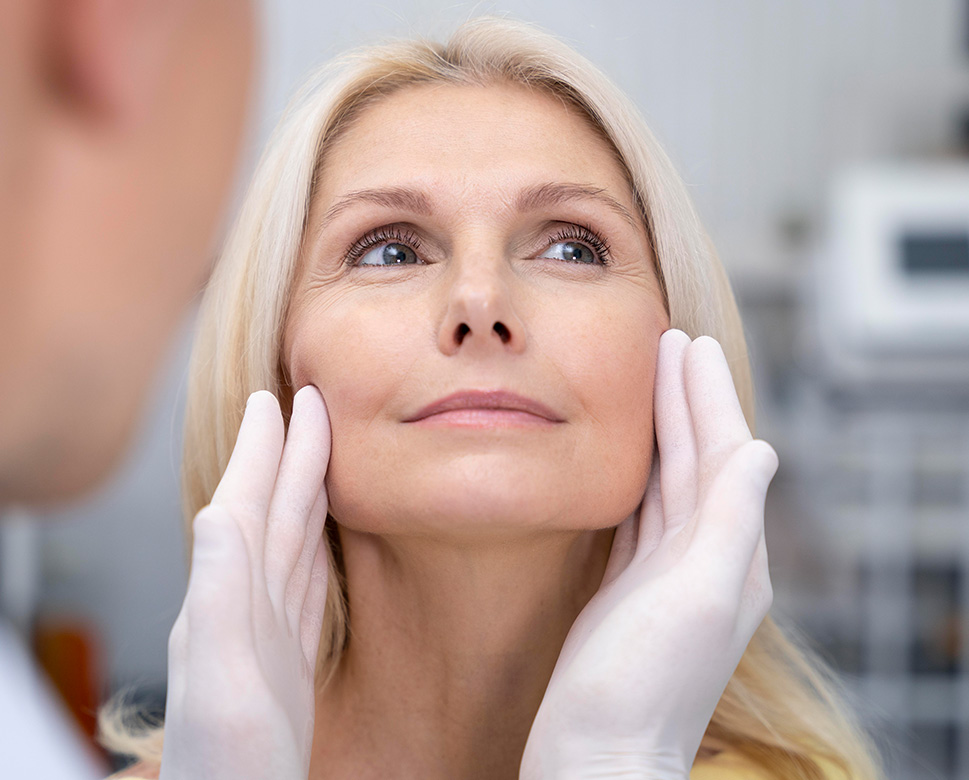
Facial Rejuvenation Turkey
Combine world-class surgical expertise with a premium recovery experience through our Facial Rejuvenation in Turkey. Our comprehensive procedures aim to restore a youthful, refreshed appearance to your face and neck.
Bell's Palsy
If you are experiencing sudden facial weakness, explore our specialized care options and recovery protocols for Bell’s Palsy. We provide expert diagnosis and treatments designed to maximize your chances of a full recovery.
Ramsay Hunt Syndrome
Treat facial weakness and ear-related symptoms caused by the shingles virus with our targeted care for Ramsay Hunt Syndrome. Early intervention is vital to preventing long-term nerve damage and improving functional outcomes.

Acoustic Neuroma
We offer dedicated surgical and rehabilitative solutions for patients facing facial nerve challenges following Acoustic Neuroma surgery. Our goal is to restore nerve function and facial balance after tumor removal.
Facial Paralysis
Our clinic provides a comprehensive range of surgical and non-surgical solutions for all types of Facial Paralysis. From initial diagnosis to advanced reconstruction, we are here to support your journey back to a confident smile.
Masseter Muscle Transfer
Masseter Muscle Transfer is a highly effective technique that utilizes the jaw muscle nerve to restore dynamic smiling in patients with facial paralysis. This procedure offers a reliable and relatively quick way to regain facial symmetry and functional muscle control.

Cross Facial Nerve Graft
Re-establish spontaneous and natural facial expressions by connecting the healthy facial nerve to the paralyzed side through a Cross Facial Nerve Graft. This advanced microsurgical approach aims to achieve a synchronized smile by using the functional side as a power source.


