Facial Paralysis and Synkinesis
Facial paralysis can affect facial movement, expression, and symmetry, impacting both function and quality of life. Treatment depends on the underlying cause, duration of paralysis, and the specific areas involved. Modern medical and surgical approaches offer effective solutions tailored to each patient’s condition. Below, you can explore the main treatment areas related to facial paralysis and learn more about the available options.
Explore Treatments & Conditions
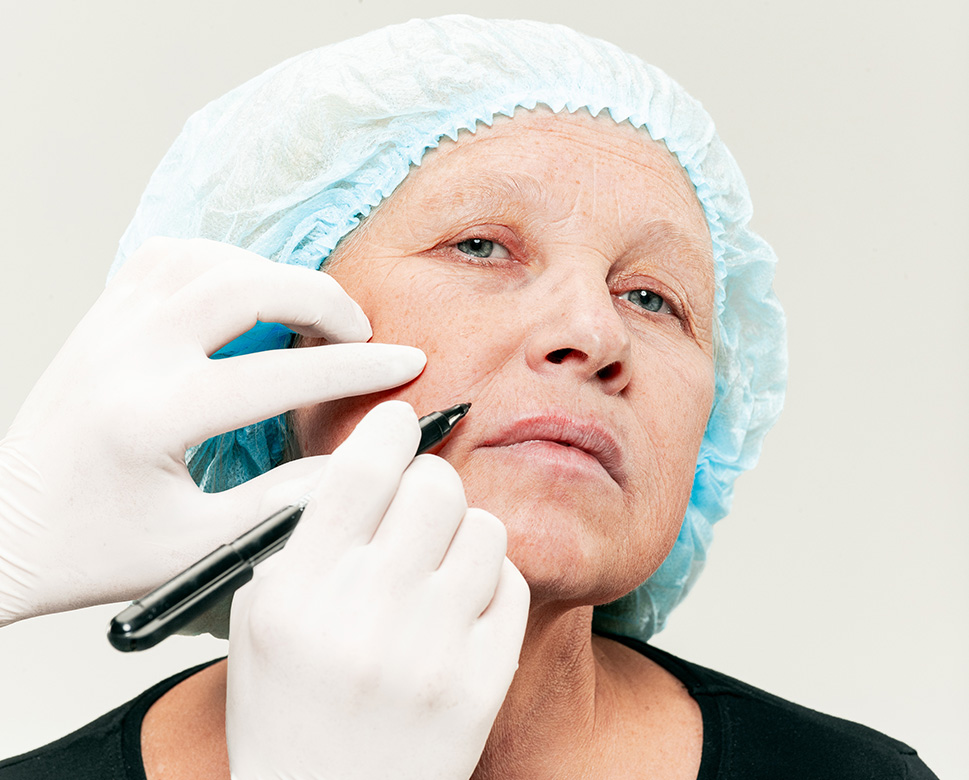
Facial Paralysis
Facial paralysis involves the partial or total loss of facial movement due to nerve damage, impacting both natural expression and essential functions. Learn more about comprehensive diagnosis and recovery pathways on our Facial Paralysis page.

Treatment Options
Modern facial reanimation combines targeted medical therapies, neuromuscular rehabilitation, and advanced reconstructive surgeries. Explore our full spectrum of restorative solutions on our Treatment Options page.
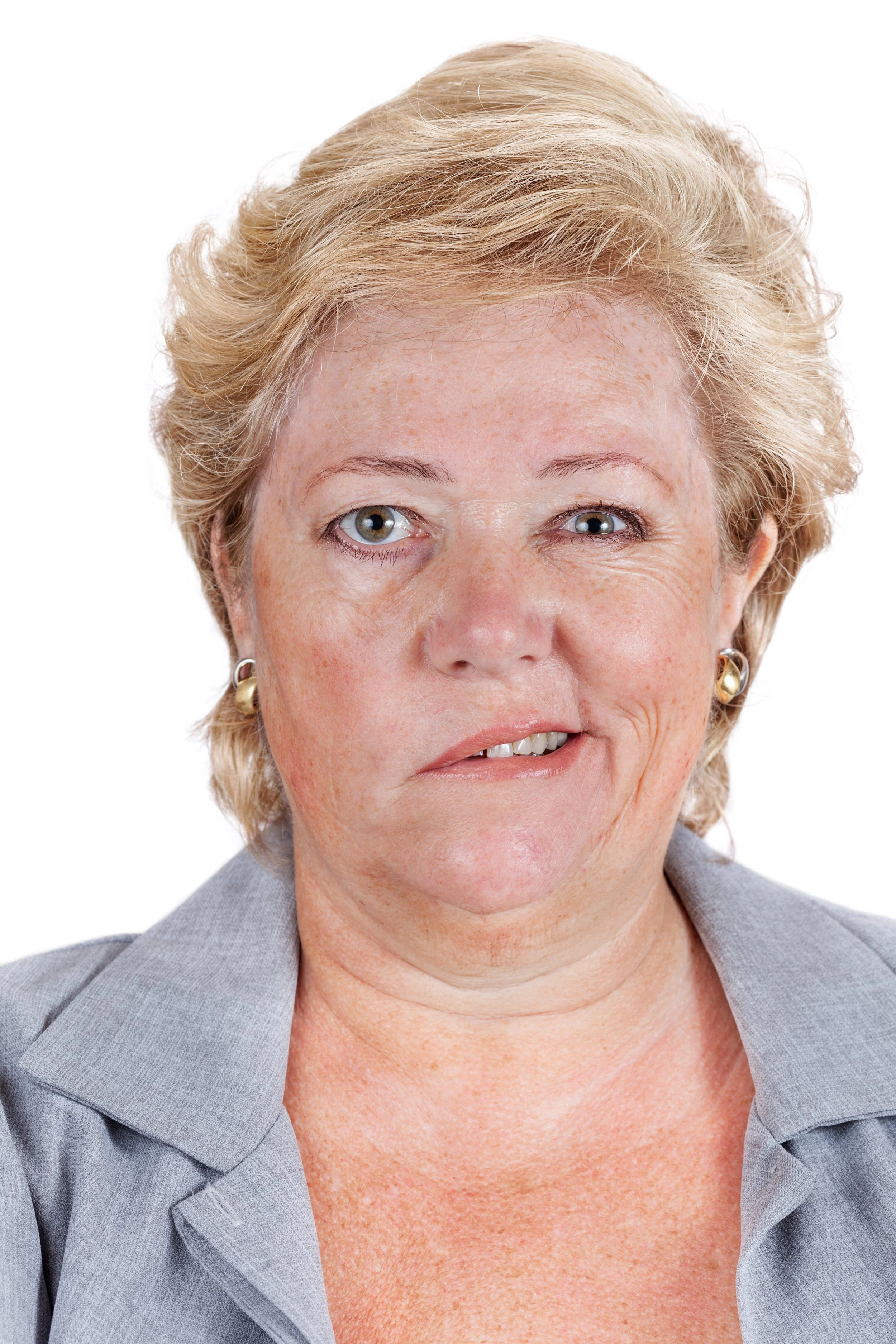
Synkinesis Treatment
Synkinesis is a condition where misdirected nerve fibers cause involuntary muscle movements alongside voluntary facial expressions. Discover specialized neuromodulation, therapy, and surgical interventions on our Synkinesis Treatment page.
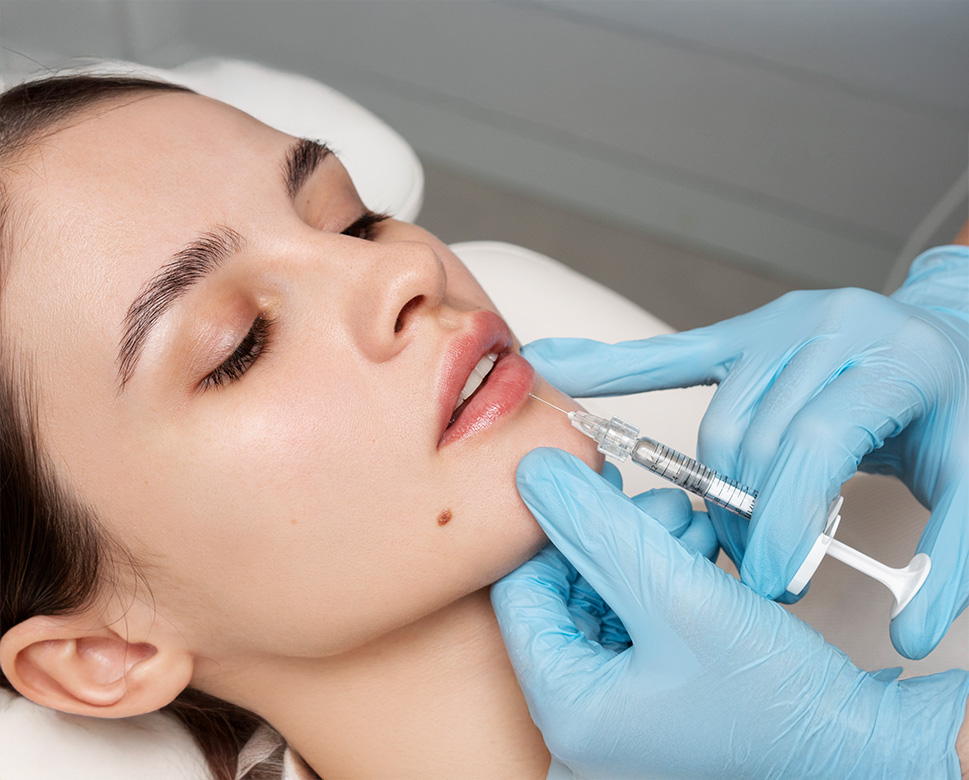
Lip Asymmetry
Lip asymmetry causes an uneven smile and impaired mouth function, often arising from facial nerve weakness, trauma, or congenital anomalies. Read about dynamic muscle transfers and targeted corrective procedures on our Lip Asymmetry page.
Facial Palsy (Bell’s Palsy) Treatment in Turkey
Bell’s palsy is one of the most common causes of facial paralysis. Facial Treatment in Turkey combines medical management, rehabilitation, and advanced surgical care when needed, depending on recovery progress.