


Oculoplastic Myomectomy: Procedure and Risks
Are your eyelids closing involuntarily, do you experience constant muscle spasms around your eyes, or are unwanted facial movements affecting your daily life after facial paralysis? These symptoms can impact not only your comfort but also your vision, social interactions, and self-confidence. In cases such as blepharospasm and post-paralysis synkinesis, where conservative treatments may no longer provide sufficient relief, oculoplastic myomectomy has emerged as an effective surgical option. But how is oculoplastic myomectomy performed, who is a suitable candidate, and what potential risks should patients be aware of? In this article, we explore everything you need to know about the procedure, its benefits, recovery process, and possible risks.
What is Oculoplastic Myomectomy?
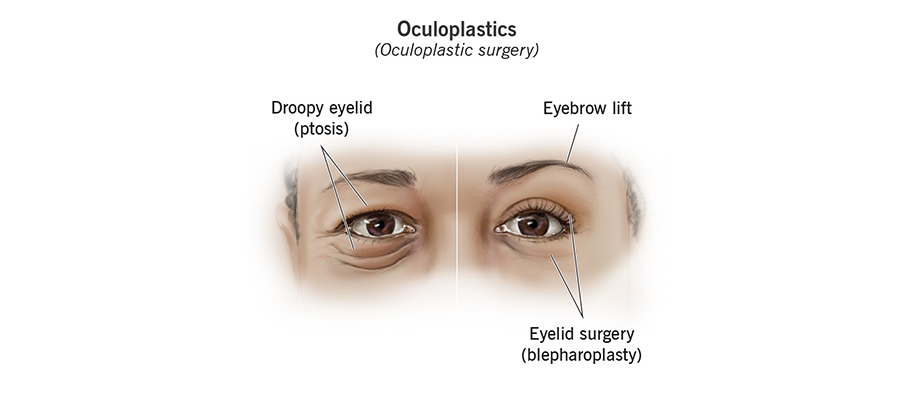
Oculoplastic myomectomy is a surgical procedure performed to reduce involuntary and repetitive muscle spasms that cause the eyelids to close uncontrollably. It is most commonly used to treat conditions such as blepharospasm, in which a portion of the overactive muscles around the eyes is removed or weakened. By reducing the severity of these involuntary contractions, the procedure aims to improve both visual function and overall quality of life. Oculoplastic myomectomy is often considered an effective treatment option for patients who have not achieved sufficient relief with b0t0x injections or who are seeking a more long-lasting solution.
In What Situations Is Oculoplastic Myomectomy Performed?
- 1. Blepharospasm (Involuntary Eyelid Spasms): One of the most common indications for oculoplastic myomectomy is blepharospasm. This condition causes involuntary eyelid closure and excessive blinking, which can significantly interfere with vision and daily activities.
- 2. Synkinesis Following Facial Paralysis: Some patients develop synkinesis after recovering from facial paralysis. This condition causes unintended muscle movements, such as eye closure while smiling or mouth movement during blinking. Myomectomy may be performed to reduce the activity of these overactive muscles and improve facial function.
- 3. Excessive Periocular Muscle Activity After Facial Paralysis: Long-standing facial paralysis can lead to excessive contraction of the muscles around the eye. This may result in discomfort, facial tightness, and functional or aesthetic concerns. Oculoplastic myomectomy can help restore better muscle balance.
- 4. Inadequate Response to B0t0x Treatment: While b0t0x injections are often the first-line treatment for facial spasms and synkinesis, some patients may experience limited benefit or require frequent repeat treatments. In these cases, myomectomy may offer a more long-lasting solution.
- 5. Muscle Spasms That Restrict Vision: Severe eyelid spasms can narrow the visual field and make activities such as reading, driving, or working more difficult. Myomectomy aims to reduce these spasms and improve visual function.
- 6. Severe Orbicularis Oculi Muscle Hyperactivity: Overactivity of the orbicularis oculi muscle, which is responsible for eyelid closure, can lead to significant functional problems. Selective weakening or removal of portions of this muscle may help alleviate symptoms.
- 7. Need for a Long-Term Treatment Solution: For patients seeking a more durable alternative to repeated injections or conservative treatments, oculoplastic myomectomy may provide long-lasting symptom relief and improved quality of life.
Evaluation Process Before Oculoplastic Myomectomy
The preoperative evaluation process for oculoplastic myomectomy is essential for accurately identifying the cause of the patient's symptoms and developing a treatment plan that maximizes the benefits of surgery. The process begins with a detailed review of the patient's medical history, including conditions such as facial paralysis, blepharospasm, hemifacial spasm, synkinesis, and any previous botox treatments. This is followed by a comprehensive physical examination to assess eyelid function, periocular muscle activity, facial symmetry, and involuntary facial movements. When necessary, photographs and video recordings may be used to analyze muscle activity in greater detail. The health of the ocular surface, tear production, and corneal condition are also evaluated to identify any risk of postoperative dry eye. In patients with synkinesis following facial paralysis, special attention is given to identifying which muscle groups are overactive so that the surgical plan can be tailored accordingly. Based on these findings, the surgeon determines whether the patient is a suitable candidate for surgery, discusses the expected outcomes, and develops a personalized surgical strategy.
Suitable Candidates for Oculoplastic Myomectomy
As with any surgery, there are certain suitable patients for oculoplastic myomectomy. These patients include the following;
- Patients with severe blepharospasm (involuntary eyelid spasms)
- Individuals who have developed synkinesis following facial paralysis
- Patients whose daily activities are affected by hemifacial spasm
- Individuals with excessive muscle activity around the eyes
- Patients who have not achieved sufficient improvement with Botox treatment
- Individuals who require frequent Botox injections to manage symptoms
- Patients with visual field impairment caused by involuntary eyelid closure
- Individuals with facial asymmetry resulting from muscle hyperactivity
- Patients seeking a longer-lasting treatment option
- Individuals who are in good overall health and suitable for surgery
- Patients with realistic expectations regarding surgical outcomes
- Individuals who are willing and able to comply with postoperative care and follow-up
- Patients whose quality of life is significantly affected by muscle spasms
- Individuals whose symptoms persist despite conservative or non-surgical treatments
How is Oculoplastic Myomectomy Surgery Performed?
Oculoplastic myomectomy is typically performed under local anesthesia with sedation, although general anesthesia may be preferred in certain cases. Because the patient is under anesthesia during the procedure, they do not experience pain or discomfort throughout the operation.
During oculoplastic myomectomy, the surgeon first makes small incisions along the natural creases of the eyelids to access the muscles around the eyes. Particular attention is given to identifying the portions of the orbicularis oculi muscle responsible for spasms or synkinesis. These overactive muscle fibers are then selectively removed or weakened in a controlled manner. In patients with synkinesis following facial paralysis, the procedure targets the specific muscle groups responsible for involuntary movements in order to achieve more balanced and natural facial expressions. Once the necessary adjustments have been completed, the tissues are carefully closed according to both functional and aesthetic principles. As a result, patients typically experience a comfortable surgical procedure aimed at reducing involuntary muscle activity and improving overall facial function.
Benefits of Oculoplastic Myomectomy Surgery
Oculoplastic myomectomy surgery offers several key benefits to the individual. These benefits are both psychological and physical. The advantages of this oculoplastic myomectomy surgery are as follows:
- May reduce involuntary eyelid spasms.
- Can help alleviate the symptoms of blepharospasm.
- May improve synkinesis that develops after facial paralysis.
- Can decrease excessive muscle activity around the eyes.
- May relieve eyelid spasms that restrict the visual field.
- Can help achieve more natural and balanced facial movements.
- May make daily activities easier and more comfortable.
- Can improve overall quality of life.
- May reduce the need for Botox treatments.
- Can decrease the frequency of repeated injections.
- May provide long-lasting or permanent results.
- Can contribute to improved facial symmetry.
- May have a positive impact on social confidence and emotional well-being.
- Is a treatment option that can be tailored to each patient's specific needs.
- Can provide both functional and aesthetic improvements.
Recovery Process After Oculoplastic Myomectomy Surgery
The recovery process after oculoplastic myomectomy can vary depending on the extent of the surgery and the patient’s individual healing rate. However, it is normal to experience mild pain, swelling, bruising, and a feeling of tightness around the eyes during the first few days after the procedure. These symptoms can typically be managed with cold compresses and medications prescribed by the surgeon.
As the first week progresses, most of the swelling and bruising begin to subside, allowing patients to gradually return to their daily activities. In individuals who undergo surgery for synkinesis following facial paralysis, it may take several weeks or even months to fully evaluate changes in muscle movement and the overall outcome of the procedure. During the recovery period, protecting the ocular surface, preventing dry eye, and attending regular follow-up appointments are important for optimal healing. Ultimately, patients often experience better-controlled eye movements, reduced muscle spasms, and a significant improvement in daily comfort and quality of life.
Important Considerations After Oculoplastic Myomectomy
There are important points to consider before undergoing oculoplastic myomectomy. These points help ensure a faster recovery process after the operation. These points are as follows;
- Take all prescribed medications exactly as directed by your surgeon.
- Apply cold compresses regularly during the first few days after surgery.
- Avoid rubbing, pressing, or putting pressure on the eye area.
- Keep the surgical site clean and follow all wound care instructions.
- Avoid wearing makeup until your surgeon advises it is safe to do so.
- Wait for your surgeon’s approval before resuming contact lens use.
- Use recommended eye drops to help prevent dry eyes.
- Avoid strenuous exercise and heavy lifting during the initial recovery period.
- Sleep with your head elevated to help minimize swelling.
- Avoid smoking and alcohol consumption whenever possible during recovery.
- Protect your eyes from sunlight by wearing sunglasses outdoors.
- Stay away from swimming pools, saunas, and steam rooms until cleared by your surgeon.
- Attend all scheduled follow-up appointments.
- Contact your doctor if you experience severe pain, sudden swelling, bleeding, or changes in vision.
- Follow all postoperative instructions carefully to support optimal healing.
If you would like to learn more about oculoplastic myectomy surgery, you can contact Dr. Berke Özücer and his team, who specialize in facial paralysis.


